.webp "Deadman switch-working alone explained")
Briefly explained, legally framed, practically assessed
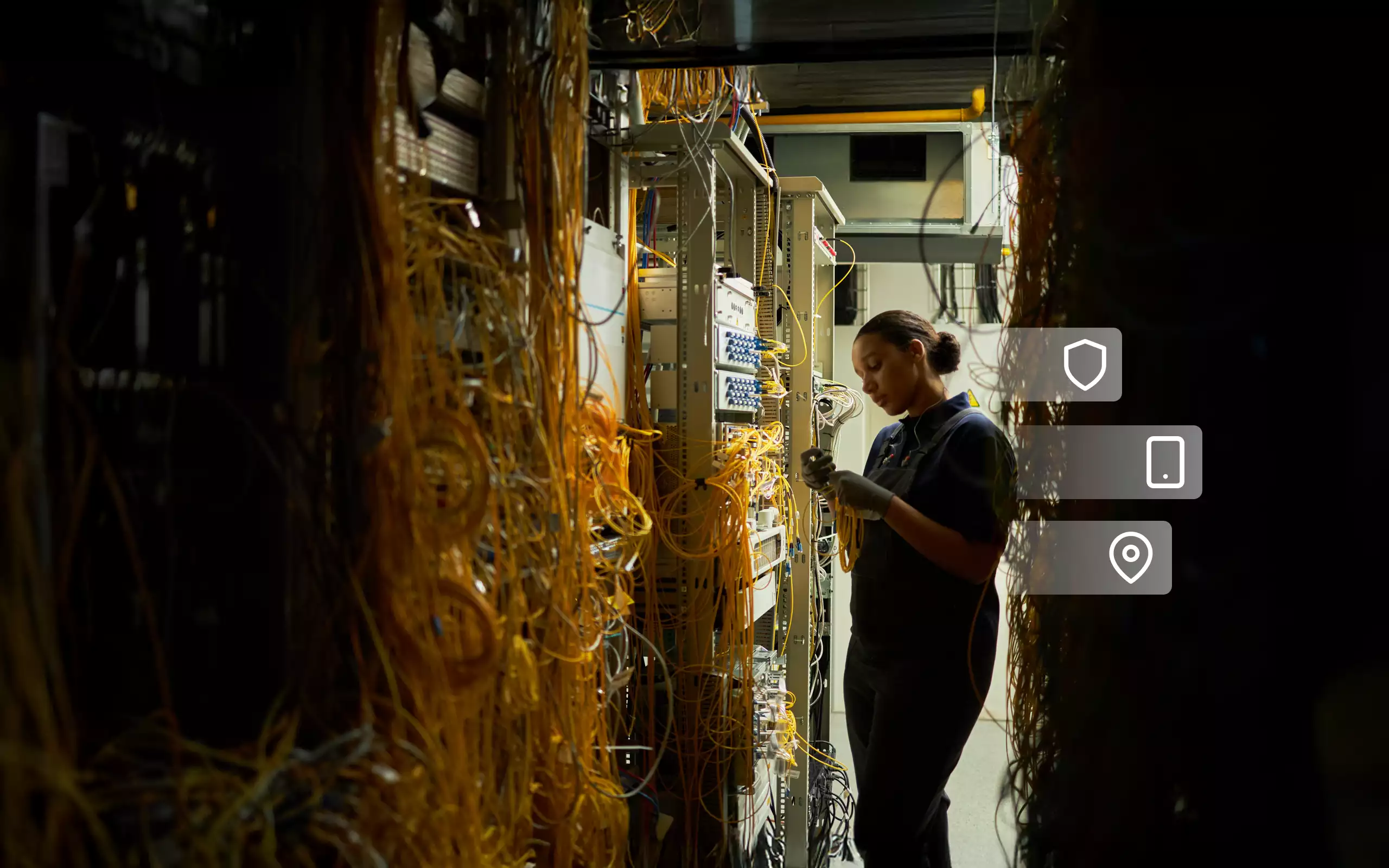
Working alone is a routine part of daily operations in many organizations. At the same time, the risk of delayed assistance in the event of accidents or medical emergencies increases significantly.
A deadman switch is a key mechanism for systematically mitigating this risk. This article answers the most important questions in a concise, clear, and verifiable way.
Deadman switch – briefly explained
What is a deadman switch?
A deadman switch is a safety mechanism that detects when a lone worker is no longer able to actively respond. If no response is received within a defined time frame, an alarm is triggered automatically.
What is it used for?
It is used to safeguard hazardous lone working activities – particularly in field service, maintenance operations, inspections, or work in remote or restricted areas.
What is its purpose?
Its purpose is not surveillance, but rapid emergency response – even if the affected person is unconscious or otherwise unable to call for help.
When is a dead man switch necessary?
A deadman switch becomes relevant when:
- Work is regularly performed alone
- There is an increased accident or health risk
- Immediate on-site assistance is not available
- Self-reporting in an emergency cannot be reliably ensured
The foundation for this decision is always the workplace risk assessment under occupational health and safety regulations.
If organizational measures are insufficient, technical safety solutions are typically required.
German Statutory Accident Insurance (DGUV), for example, explicitly recommends technical protection measures for hazardous lone work when organizational controls alone are not adequate.
.webp)
How does a modern lone worker safety system work?
Modern systems work process-based and not reactive. The process is clearly structured:
- Active work start
The person working alone consciously announces the start of work. - Time-based monitoring
A defined security period runs in the background. - Reminder before escalation
If there is no response, an advance warning is given first. - Automatic alerting
If the person does not respond, an alarm is triggered. - escalation chain
Notification to defined authorities such as readiness, control center or emergency contacts.
The key point:
The process is not dependent on permanent attention.
.webp)
Does a lone worker safety system function without mobile reception?
Yes – if properly designed.
What matters is:
- Work is activated in an area with connectivity.
- The safety logic runs server-side.
- An alarm is triggered if no confirmation is received – regardless of current signal availability.
This makes it possible to safeguard work in shafts, basements, technical rooms, or remote infrastructure.
Classic dead man switch vs. modern dead man switch
The classic dead man switch is a single safety element, while modern lone worker safety systems are intended as a higher-level safety process.
The deadman switch is only one possible technical component. What truly matters is the underlying escalation process. Modern systems significantly reduce the risk of human error.
Decision checklist: Do we need a dead man switch?
Answer these questions with Yes or No:
- Do employees regularly work alone?
- Are there activities with an increased risk?
- Is local help not immediately available?
- Can emergencies mean that active reporting is no longer possible?
- Has insurance so far been heavily dependent on attention or routine?
Several yes answers speak clearly for the use of a lone worker safety system.
FAQ: Common Questions About Deadman Systems
Is a lone worker safety system legally required?
Not universally. The requirement results from the risk assessment when hazardous lone work is identified and other measures are insufficient.
Is an app-based deadman switch sufficient?
Yes – provided the process is reliable, auditable, and independent of continuous user interaction.
Is constant monitoring required?
No. Modern systems operate automatically and only escalate when necessary.
Is this employee surveillance?
No. The purpose is emergency protection, not performance monitoring. Implementation must comply with data protection regulations.
Which industries is this relevant for?
All sectors involving lone work, including utilities, network operators, maintenance providers, industrial facilities, infrastructure operators, and water or wastewater services.
Conclusion: Deadman Switch as Part of a Robust Safety Process
A lone worker safety system is not an add-on and not a niche solution.
It is a core element for structuring lone work in a transparent, documented, and audit-ready manner.
What matters is not the individual device, but a clearly defined process that functions even when a person can no longer respond.